

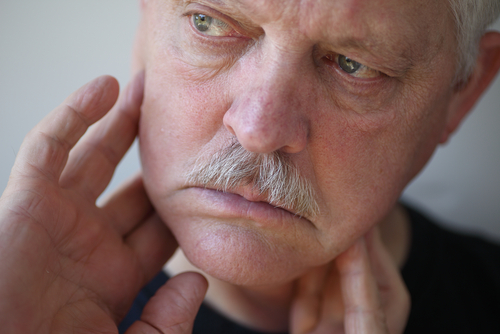
TMJ Pain: Can a Chiropractor Help?
Jaw pain can make simple things harder: chewing, talking, yawning, sleeping, or getting through a stressful workday without clenching your teeth. When that pain comes from the temporomandibular joint, the jaw muscles, or nearby tissues, it is often described as a TMJ disorder or TMD.
TMJ pain does not always have one clear cause. Clenching, grinding, stress, jaw injury, arthritis, posture strain, and tight muscles in the neck or jaw may all play a role. Chiropractic care may help some patients when jaw discomfort is connected to neck tension, muscle tightness, headaches, or movement restrictions.
Below, we’ll cover common causes of TMJ pain, when chiropractic care may fit into a conservative care plan, and when it makes sense to involve a dentist, physician, or TMJ specialist.
What is TMJ?
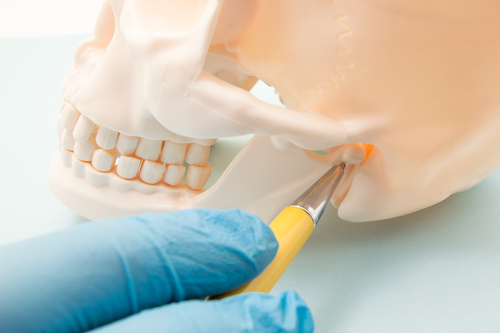
The temporomandibular joint connects the jawbone to the skull. It acts as a hinge, allowing you to move your jaw up and down, and from side to side. This enables you to accomplish basic tasks like speaking and eating.
So, when people experience facial pain, discomfort while chewing, or similar symptoms, they can be related to the TMJ. These issues are called temporomandibular disorders (TMD). A Bellmore Chiropractor can help you to identify and resolve these feelings of discomfort.
5 Causes of TMJ Disorders
While Chiropractic care is an effective treatment for TMD, spine-related conditions are hardly the most common cause.
1. Excess Tension
Because the TMJ is a hinge, it is constantly pulled in different directions by the various muscles surrounding it. And, as a result, tight muscles can create undue tension for the TMJ. This tension can potentially pull the TMJ out of alignment, resulting in a TMD. Through the proper treatment, a Chiropractor can help limit this tension.
2. Muscle Spasms
Muscle spasms in the neck can send pain to the TMJ area, mimicking TMD. Some people may also experience muscle spasms in the jaw, causing the TMJ to lock. These sudden and powerful movements can cause the TMJ to be distorted, and in severe cases, may have a permanent impact. Chiropractic care can limit the chances of muscle spasms by decreasing the tension and tightness.
3. Grinding Teeth
Despite its value as a method of de-stressing and reducing anxiety, grinding your teeth can have disastrous consequences. Grinding your teeth often may lead to stiffness or even pain in the TMJ, while also wearing down the teeth.
4. Misaligned Bite
Many people receive braces in their youth to correct the negative aesthetic or functional effects of an overbite or underbite. However, a misaligned bite can result from injuries, arthritis, stress, and poorly fitted dentures, too. This lack of balance bodes poorly for the TMJ.

5. Stress
The spine isn’t the only place where stress causes tension. A stressful lifestyle may lead some people to increased tension in the neck and jaw area. Unfortunately, it may also amplify the potential for a TMD by increasing tooth-grinding.

Chiropractic and TMJ Adjustment
Chiropractic care is the best way to ease these feelings of TMJ pain. As a natural form of pain relief, there will be no negative side effects. Refraining from taking painkiller medication will prevent other negative side effects.
By practicing trigger point therapy on the upper back, neck and muscles around the TMJ, the Chiropractor can target the areas that will have the most benefit. Breaking up these nodules (or “knots”) in the spine will relieve both local pain and transmitted pain. Receiving consistent care will solve this issue, and also prevent this pain from coming back.
Brenner Chiropractic
Using specialized techniques, Dr. Brenner can locate the areas of the spine that will have the most impact on TMJ pain. After making an assessment, Dr. Brenner will determine which treatments are best suited to relieve your individual symptoms. Contact us to schedule treatment for TMJ pain, or another related condition.
TMJ FAQ’s
Should I see a chiropractor or dentist for TMJ pain?
TMJ pain can come from the jaw joint, chewing muscles, clenching, grinding, bite problems, neck tension, arthritis, or injury. A dentist is often the right provider when symptoms involve teeth grinding, bite concerns, worn teeth, or a mouth guard. A chiropractor may be helpful when jaw discomfort is accompanied by neck stiffness, muscle tension, headaches, posture-related strain, or limited movement. Some patients may need both providers. If you have constant jaw pain, sudden jaw tenderness, or trouble opening or closing your mouth, seek medical or dental care.